
Workers' Compensation
Coordinated care for your workers’ compensation claim.
Workers’ compensation mental health support works best when it’s coordinated with everyone involved — when a workplace injury affects your mental health, our team keeps that communication consistent, so you don’t have to manage it yourself.

WHAT YOU'RE EXPERIENCING
A workplace injury can affect more than your body.
Every claim is different. For some, the mental health impact is the main concern. For others, it develops alongside a physical injury.
- Anxiety or low mood connected to the injury
- Trauma from the incident itself
- Difficulty imagining a return to that workplace
- Frustration with a slow or uncertain process
- Physical symptoms tied to stress
- Wanting a plan, not just paperwork
If these feel familiar, you’re not alone — and support can help.

Built for claims and coordination
An interdisciplinary team, and consistent communication.
Clients referred to The Newly begin with an assessment before entering a program. From there, our interdisciplinary team works with you to understand the difficulties you’re facing — at work and elsewhere — and builds a tailored treatment plan. We keep consistent communication with your workers’ compensation case manager and your employer, so everyone stays aligned without you having to manage it. Treatment often draws on Cognitive Behavioural Therapy, trauma-focused approaches like EMDR and ART, DBT, and ACT, chosen based on what’s actually going on for you. Because delays tend to make returning to work harder the longer they go on, we prioritize rapid access and a coordinated plan from the start.
Pathways to support
Support that meets you where you are.

Therapy Support
Individual therapy can help you:
- Process the incident and its impact
- Build coping tools for the claims process itself
- Work toward a realistic return-to-work plan

Structured Programs (When Needed)
Programs may be helpful if:
- Trauma or mood symptoms are significant
- You want kinesiology support alongside therapy
- You need a coordinated, interdisciplinary team
Approaches
Evidence-based approaches used in workers’ compensation care.
FAQ
Frequently asked questions.
No, though many clients are referred through their workers’ compensation case manager or employer. You can also book a first conversation directly.
Yes, with your consent. We keep consistent communication with your workers’ compensation case manager and employer as part of your treatment plan.
Yes. Many of our programs include a stream for first responders, providing a community of people with similar experiences.
Kinesiology services are also available to support your physical recovery alongside mental health treatment.
What you share in session stays within standard clinical confidentiality practices; only what’s relevant to your treatment plan and return-to-work goals is shared with your case manager or employer, with your consent.
How it works
A calm and supportive process.

Book a First Conversation
A short, confidential call with a mental health professional so we can understand what’s going on and what you’re looking for.

Get matched to the right care
Based on your needs we recommend therapy, collaborative care, or a structured program.

Start with a plan that fits
Your care plan is built around your schedule, goals, and the level of support that will help most.
Where to find us
Care across Canada, in-person and online.
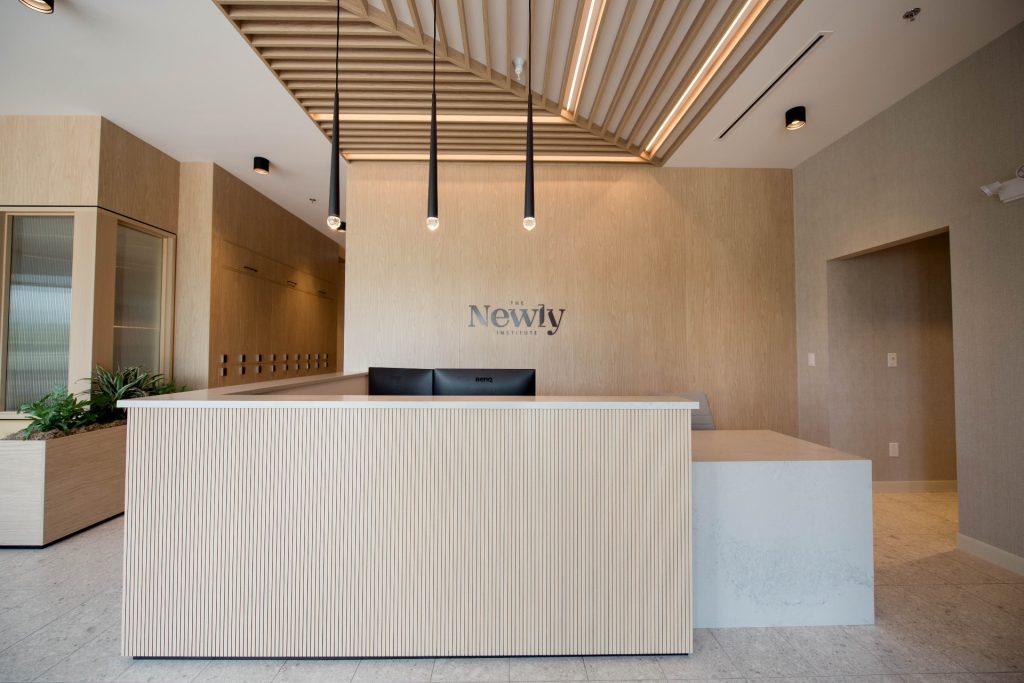
In-person in five cities, plus secure virtual sessions wherever you are in Canada.
Calgary
AB
Edmonton
AB
Halifax
NS
Fredericton
NB
Kelowna
BC
Ontario
ONVirtual Care
Across CanadaSecure video sessions, anywhere in Canada. Mon–Sun · flexible scheduling.
You don’t have to manage the process alone.
Talk to a team that coordinates your care and your claim together — no pressure, no commitment.