
Short/Long Term Disability
Support for the mental health side of a disability claim.
Long term disability mental health support means treating more than the diagnosis. Being on short or long term disability affects your sense of purpose and routine too — our team treats both the underlying challenge and the path back to work.

WHAT YOU'RE EXPERIENCING
Time away from work can affect more than expected.
Every situation is different. For some, the mental health impact led to the leave. For others, it developed during it.
- Difficult thoughts and feelings tied to the reason for leave
- Loss of routine and structure
- Uncertainty about when or how you'll return
- Strained relationships with employer or coworkers
- Anxiety about the claims process
- Wanting a realistic plan forward
If these feel familiar, you’re not alone — and support can help.

Built for claims and recovery, together
Trauma therapy and return-to-work planning, in one place.
Trauma therapy forms the foundation of our program, giving you a safe space to process what’s affecting your mental health and work life. Alongside that, our team includes a dedicated return-to-work treatment and planning component — identifying realistic goals, building coping strategies for workplace stressors, and preparing you for professional reintegration when you’re ready. That treatment typically combines approaches like ACT, DBT, and mindfulness to help you process what led to the leave, manage emotions day to day, and build resilience — while the return-to-work component runs alongside it rather than waiting until you feel “ready” to start planning.
Pathways to support
Support that meets you where you are.

Therapy Support
Individual therapy can help you:
- Process what led to your leave
- Build emotional regulation and coping skills
- Prepare realistically for a return to work

Structured Programs (When Needed)
Programs may be helpful if:
- Symptoms are complex or long-standing
- Therapy alone hasn't created enough change
- You need a coordinated, interdisciplinary team
Approaches
Evidence-based approaches used in disability-related care.
FAQ
Frequently asked questions.
No, though many clients are referred through an employer or funder. You can also book a first conversation directly.
Only with your consent, and only what’s relevant to your treatment and return-to-work plan.
If your care is being funded through a short or long term disability program, we can walk you through what’s generally available. Specifics vary, so the clearest answer comes from a direct conversation.
No. Support starts with your mental health, wherever you’re at. Return-to-work planning is available when and if it’s relevant.
Yes. What you share with your care team stays between you and them, within standard clinical confidentiality practices.
How it works
A calm and supportive process.

Book a First Conversation
A short, confidential call with a mental health professional so we can understand what’s going on and what you’re looking for.

Get matched to the right care
Based on your needs we recommend therapy, collaborative care, or a structured program.

Start with a plan that fits
Your care plan is built around your schedule, goals, and the level of support that will help most.
Where to find us
Care across Canada, in-person and online.
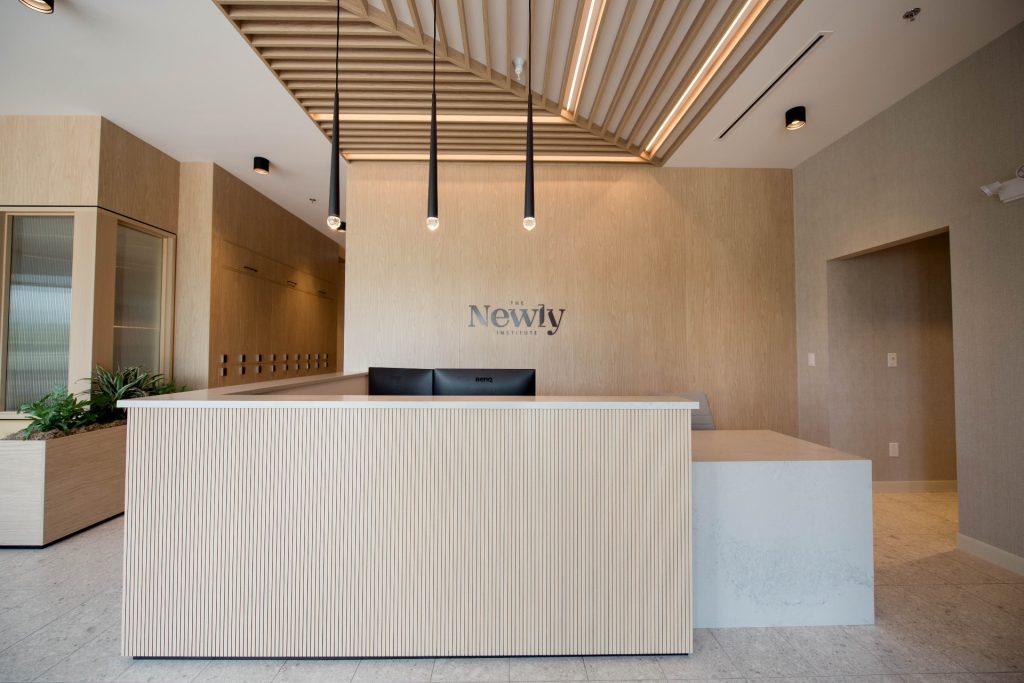
In-person in five cities, plus secure virtual sessions wherever you are in Canada.
Calgary
AB
Edmonton
AB
Halifax
NS
Fredericton
NB
Kelowna
BC
Ontario
ONVirtual Care
Across CanadaSecure video sessions, anywhere in Canada. Mon–Sun · flexible scheduling.
You don’t have to navigate this alone.
Talk to a team that treats your mental health and your return-to-work plan together — no pressure, no commitment.