
Anxiety
When worry, panic, or racing thoughts take over.
Anxiety treatment at The Newly starts with how it shows up for you — constant worry, a racing mind, or a body that won’t relax. You don’t need to have it all figured out to reach out.

You're not alone
Managing on the outside, overwhelmed on the inside.
Many people come to The Newly appearing calm and capable, while anxiety runs constantly underneath. It doesn’t always look like panic — sometimes it looks like never fully switching off.
You don't have to figure it out alone.
How it shows up
Common ways anxiety shows up.
Everyone experiences anxiety differently. Some people feel it physically, while others experience racing thoughts or difficulty focusing.
- Constant or racing worry
- Trouble relaxing or sitting still
- Sleep disrupted by a busy mind
- Physical tension or a racing heart
- Avoiding situations that feel unsafe
- Depression layered underneath
If any of these feel familiar, support can help.

Daily life
When anxiety begins to affect daily life.
Anxiety can begin gradually or appear during major life transitions. Over time, it may start to affect relationships, work, decision-making, or physical health.
You may notice:
- Feeling stuck in patterns of worry
- Avoiding situations that once felt manageable
- Difficulty concentrating or making decisions
- Feeling mentally or physically exhausted
These experiences are common — and they are treatable.
Pathways to support
Support that meets you where you are.
There isn’t one single path. Some people benefit from individual therapy. Others need more structured support. We’ll help you find what fits.

Therapy Support
Individual therapy can help you:
- Understand what's driving the anxiety
- Build coping and regulation tools
- Feel steadier in daily life

Structured Programs (When Needed)
Programs may be helpful if:
- Anxiety feels persistent or worsening
- Therapy hasn't been enough
- You need more intensive support
Approaches
Evidence-based approaches used in anxiety treatment.
There are many ways to work with anxiety — from structured, skills-based therapies to body-informed and collaborative care. You don’t need to know which one is right before you start.
We’ll talk through what you’re experiencing, what has and hasn’t helped, and match you with an approach that fits your life, preferences, and goals.
FAQ
Common questions.
Everyday stress usually eases once the situation passes. Anxiety tends to stick around or show up even when nothing specific is wrong. A first conversation can help clarify what you’re experiencing.
No. You don’t need a diagnosis or referral to begin. We’ll start by listening and help you figure out what level of care makes sense.
Yes. Many people begin with individual therapy and step up into a structured program if and when they need more support. Your care can shift as you do.
Yes. Secure virtual sessions are available across Canada, so you can access care from wherever you feel most comfortable.
How it works
A calm and supportive process.

Start with a conversation
We’ll talk about what you’re experiencing and what type of support may help.

Find the right level of care
This may involve therapy, a structured program, or a combination.

Move forward with a clear plan
Together we’ll develop a path toward better balance and wellbeing.
Where to find us
Care across Canada, in-person and online.
In-person in five cities, plus secure virtual sessions wherever you are in Canada.

Calgary
AB
Edmonton
AB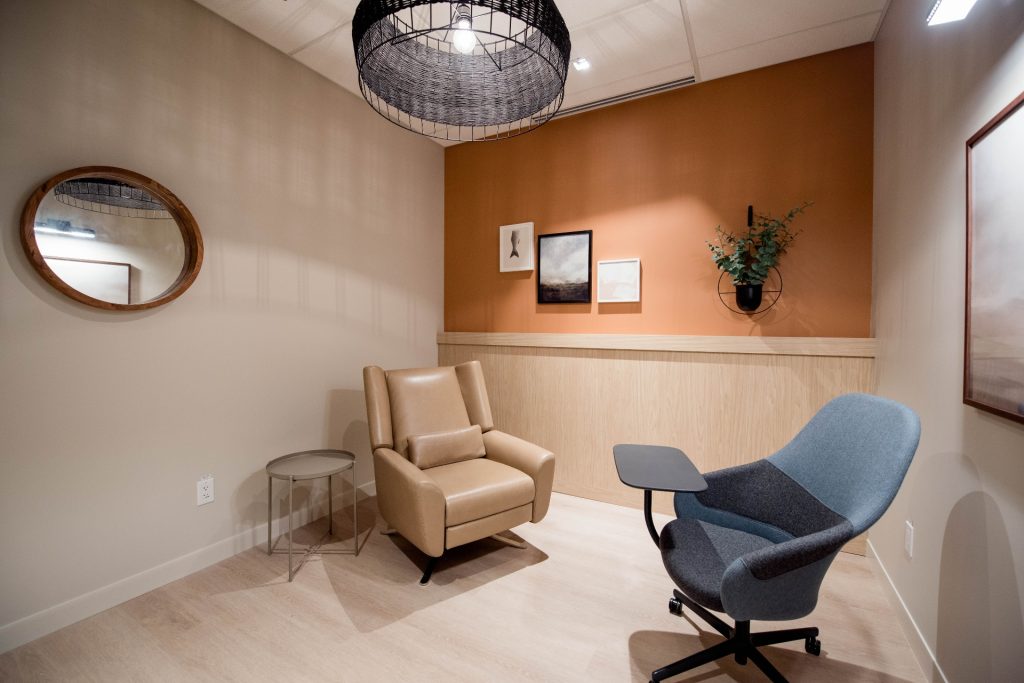
Halifax
NS
Fredericton
NB
Kelowna
BC
Ontario
ON
Virtual Care
Across CanadaSecure video sessions, anywhere in Canada. Mon–Sun · flexible scheduling.
You don’t have to carry this alone.
A first conversation is a simple first step. We’ll listen, help you make sense of what’s going on, and walk through what support could look like — no pressure, no commitment.