
PTSD Treatment
When the past won’t stay in the past.
PTSD treatment at The Newly starts with how it shows up for you — flashbacks, a constant sense of alert, or feeling on edge long after the event itself is over.

You're not alone
Functioning on the outside, on high alert on the inside.
Many people come to The Newly managing work and relationships while carrying a nervous system that never fully settles. Post traumatic stress doesn’t always look like crisis — sometimes it looks like being braced for something that already happened. We can help.
How it shows up
Common ways PTSD impacts your life.
Post-traumatic stress can surface long after the event itself, and it often looks different from what people expect — in the body, in sleep, and in day-to-day reactions. PTSD treatment can help you manage all this.
PTSD treatment may be a good fit if you experience any of these:
- Flashbacks or intrusive memories
- Hypervigilance or feeling constantly on edge
- Avoiding people, places, or reminders
- Trouble sleeping or nightmares
- Feeling numb or disconnected
- Anxiety or depression layered underneath
If any of these feel familiar, support can help.
Pathways to support
Support that meets you where you are.
There isn’t one single path for PTSD treatment. Some people benefit from individual therapy. Others need more structured support. We’ll help you find what fits.

Therapy Support
Individual therapy can help you:
- Process what happened at a pace that feels safe
- Build tools for hypervigilance and avoidance
- Feel steadier in daily life

Structured Programs (When Needed)
Programs may be helpful if:
- Symptoms feel persistent or worsening
- Therapy hasn't been enough
- You need more intensive, coordinated support
Approaches
Evidence-based approaches used in PTSD treatment.
There are many trauma-focused ways to work with PTSD — from EMDR and ART to somatic and collaborative care. You don’t need to know which one is right before you start.
We’ll talk through what you’re experiencing, what has and hasn’t helped, and match you with an approach that fits your life, preferences, and goals.
FAQ
Common Questions
No. You don’t need a diagnosis or referral to begin. We’ll start by listening and help you figure out what level of care makes sense.
Not necessarily. Approaches like EMDR and ART are designed to help without needing you to retell every detail. Your clinician will work at a pace that feels safe for you.
Yes. Many people begin with individual therapy and step up into a structured program if and when they need more support. Your care can shift as you do.
Yes. Secure virtual sessions are available across Canada, so you can access care from wherever you feel most comfortable.
How it works
A calm and supportive process.

Start with a conversation
We’ll talk about what you’re experiencing and what type of support may help.

Find the right level of care
This may involve therapy, a structured program, or a combination.

Move forward with a clear plan
Together we’ll develop a path toward better balance and wellbeing.
Where to find us
Care across Canada, in-person and online.
In-person in five cities, plus secure virtual sessions wherever you are in Canada.

Calgary
AB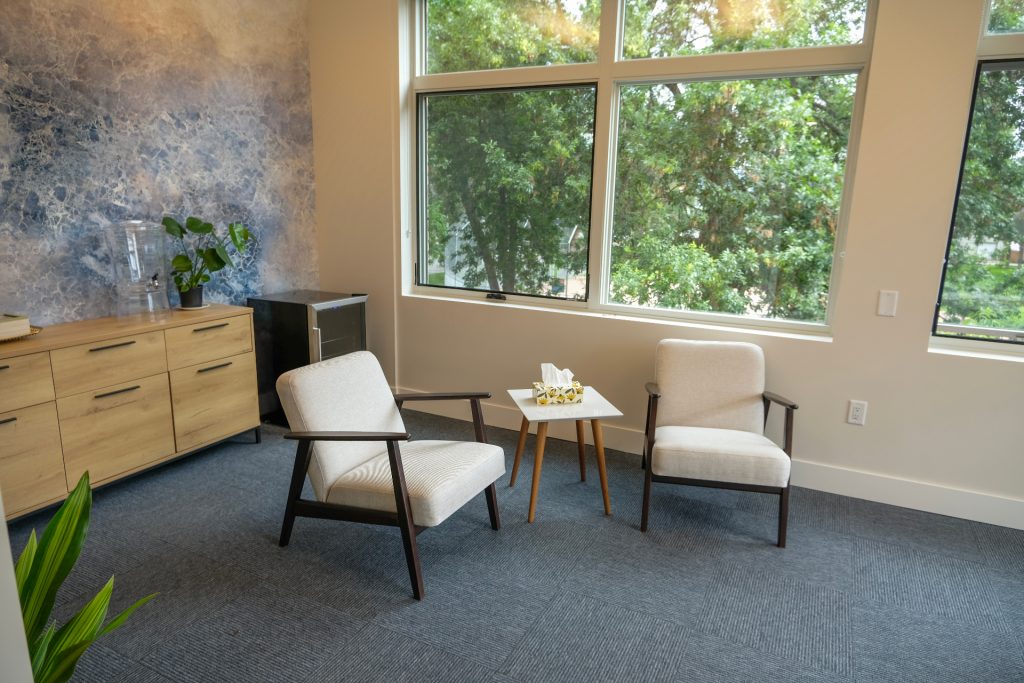
Edmonton
AB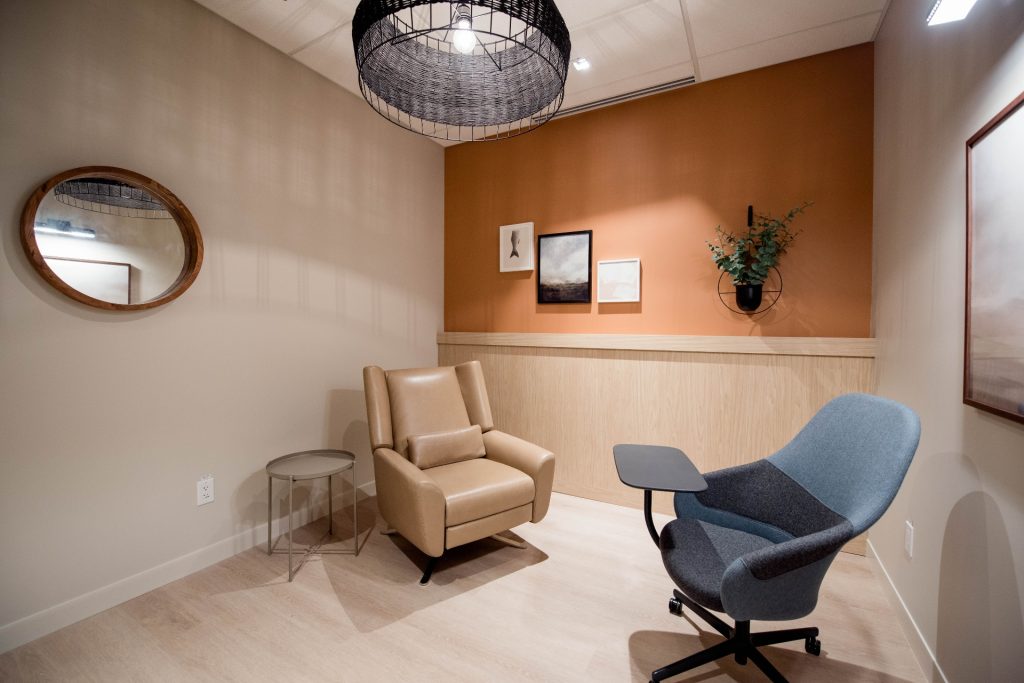
Halifax
NS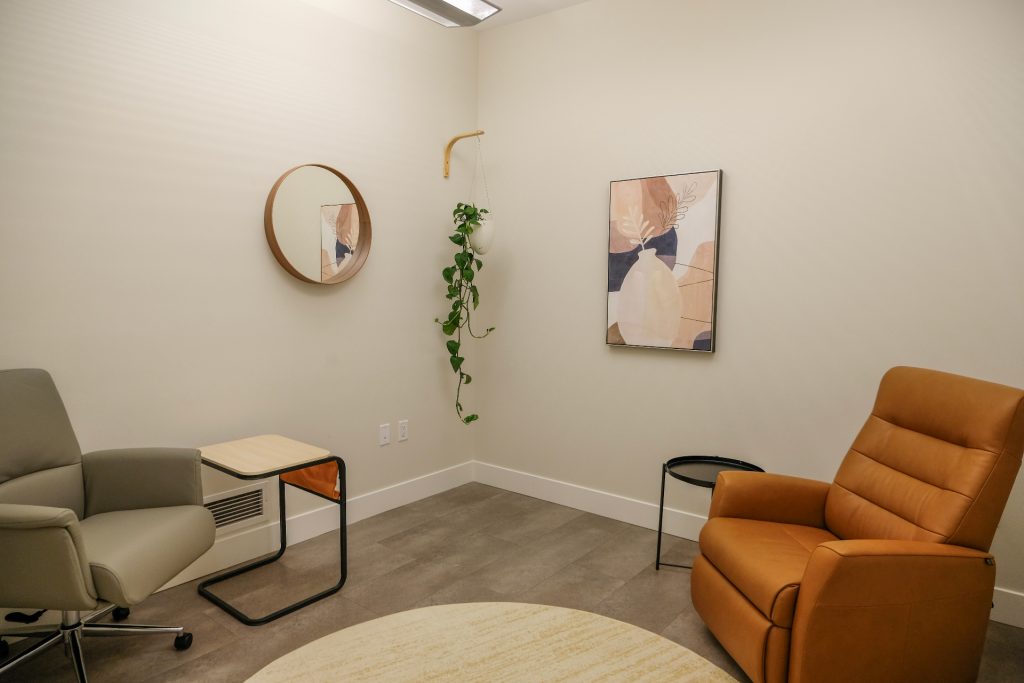
Fredericton
NB
Kelowna
BC
Ontario
ON
Virtual Care
Across CanadaSecure video sessions, anywhere in Canada. Mon–Sun · flexible scheduling.
You don’t have to carry this alone.
A first conversation is a simple first step. We’ll listen, help you make sense of what’s going on, and walk through what support could look like — no pressure, no commitment.