
Mental Health Support, Applied to Everyday Life.
Occupational therapy is one of the approaches we use to help rebuild daily routines, function, and meaningful engagement in life.

What occupational therapy is
Rebuilding function, day to day.
Occupational therapy uses personalized assessment and targeted strategies to help you rebuild routines, manage daily responsibilities, and re-engage with work, self-care, and life. Our occupational therapists take a holistic, client-centered approach — supporting executive function, routine-building, and attention management.
Occupational therapy can also address how depression, anxiety, PTSD, addiction, and chronic pain show up in daily functioning. The focus stays practical: building confidence, strengthening self-regulation, and developing the day-to-day skills that support recovery.

How we use it
How occupational therapy fits into care at The Newly.
Occupational therapy is not something you need to choose alone. Our team uses occupational therapy within a broader plan — sometimes alongside individual therapy, sometimes as part of a structured program.
Where it lives
This approach may be part of:
What to expect
A clear path, step by step.

Start with a first conversation
A free 15-minute call to talk through what’s going on and what kind of support might help.

Assessment + fit
Your occupational therapist learns about your daily challenges and goals, and you decide together on a plan.
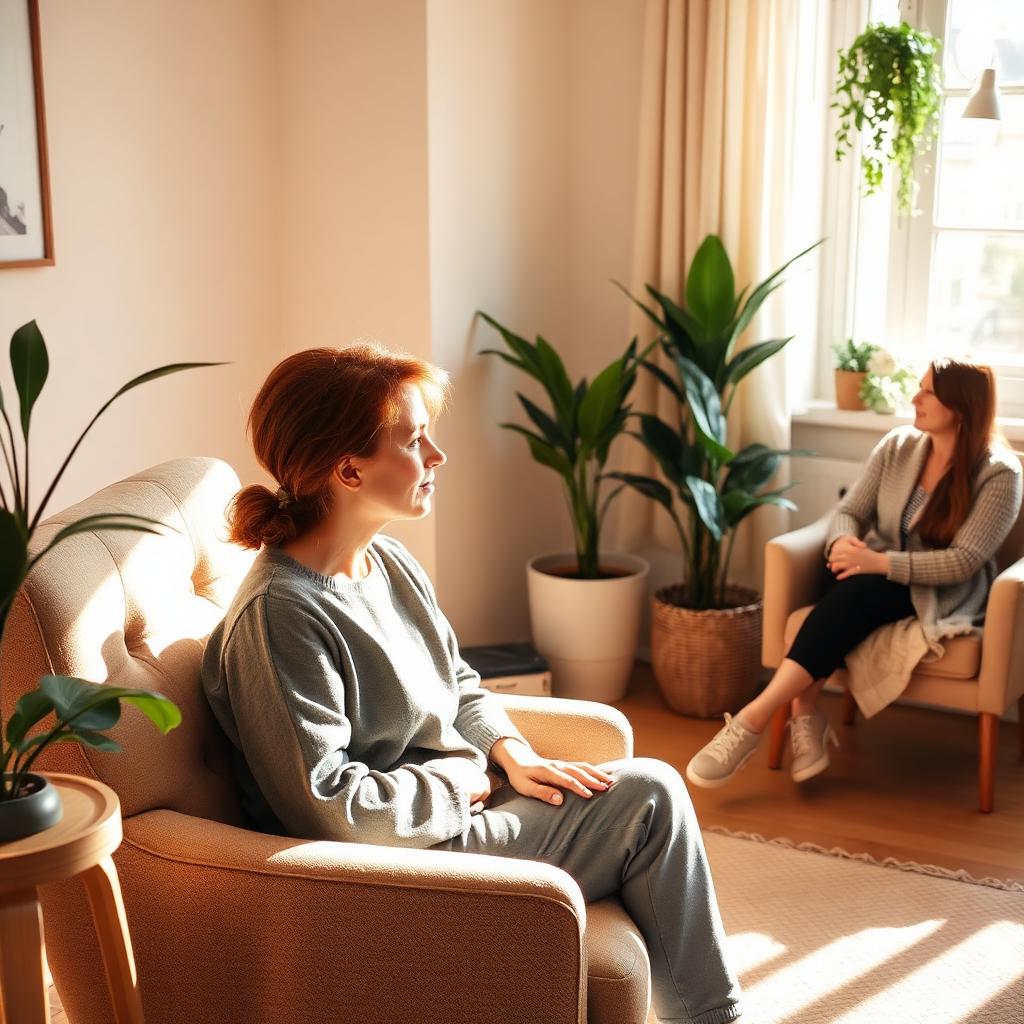
Integrated if appropriate
When it’s a good fit, occupational therapy is woven into your plan alongside any other support you need.

Ongoing support beyond one technique
Occupational therapy is one part of a broader plan. We stay with you across the whole picture, not just one session type.
FAQ
Common Questions
It varies depending on your goals. Your occupational therapist will give you a realistic sense of what to expect after an initial assessment.
No. You don’t need a specific diagnosis to benefit — sessions are built around what’s getting in the way of your daily life.
In many cases, yes. Virtual sessions can be a good fit depending on your situation. We’ll talk through what’s appropriate for you on your first conversation.
You don’t need to decide on your own. Most people come in unsure of what they need. Our team will help you understand whether occupational therapy is a good fit or whether another approach makes more sense.
Want to know if occupational therapy is right for you?
Book a first conversation and we’ll help you understand the best next step.